

Major chinese digital platform opens office in Kazakhstan
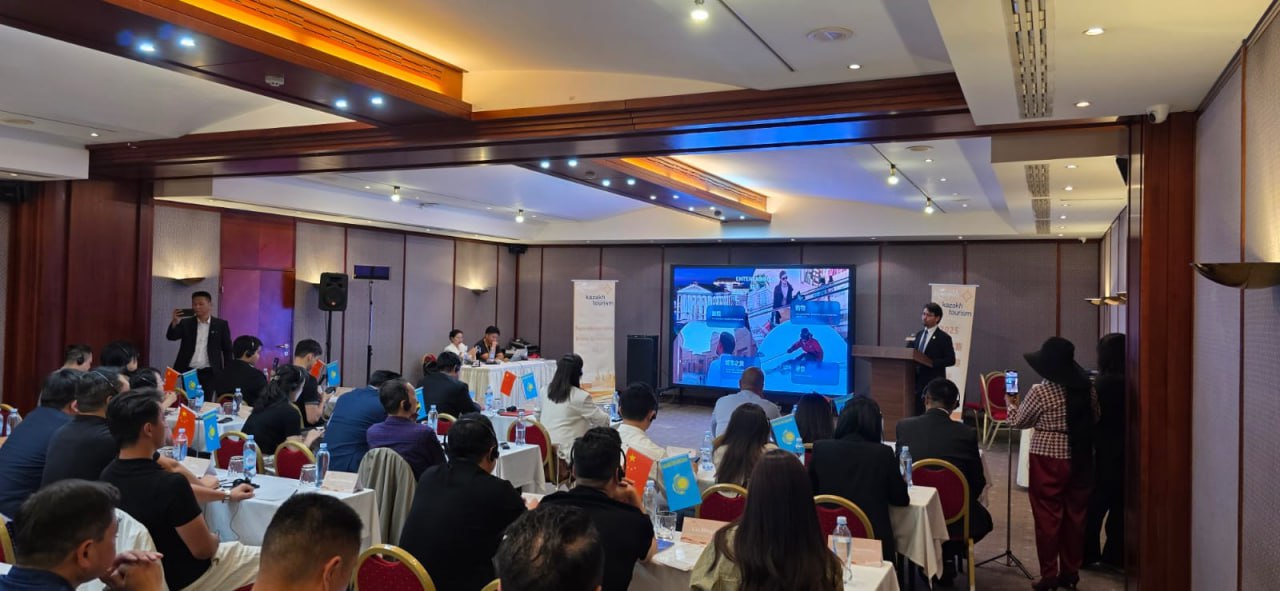
Travel across Kazakhstan will become even more accessible for tourists from China. One of the leading Chinese digital platforms in the tourism sector, Zowoyoo, has opened its first office in Central Asia — in the city of Almaty. This was announced in the southern capital during the international forum «Digital Silk Road – 2025».
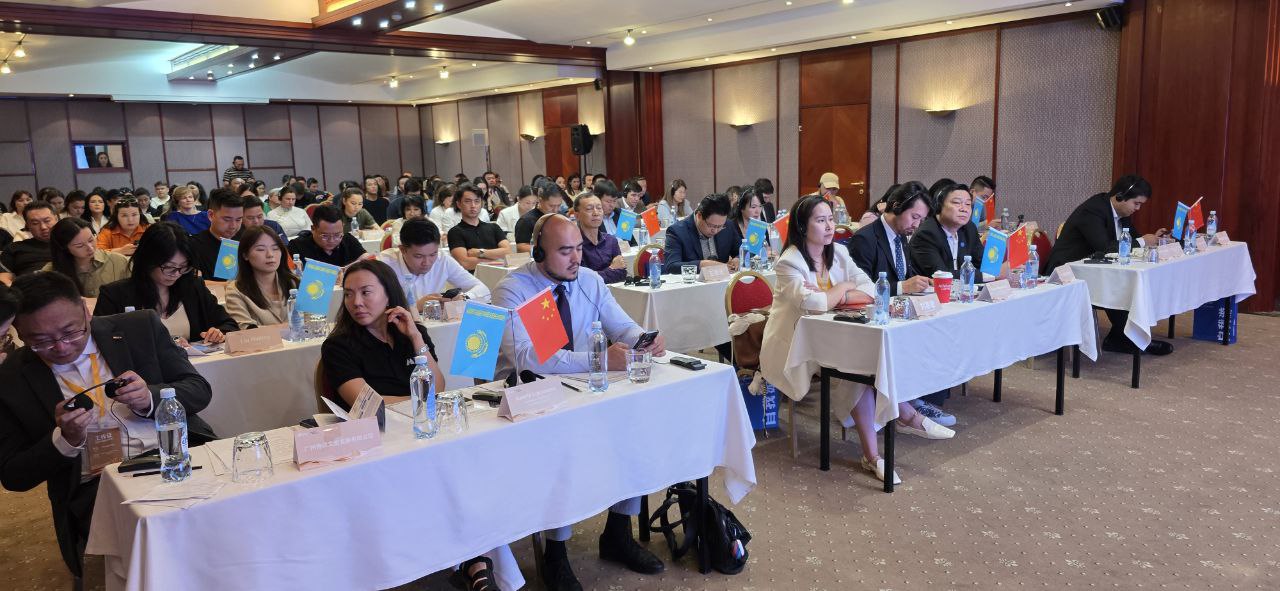
The forum is aimed at strengthening mutually beneficial cooperation between representatives of the tourism industries of Kazakhstan and China. The event brought together leading experts, tour operators, representatives of the hospitality industry, and technology companies from both countries, including Ctrip, Tongcheng, and JD Travel.
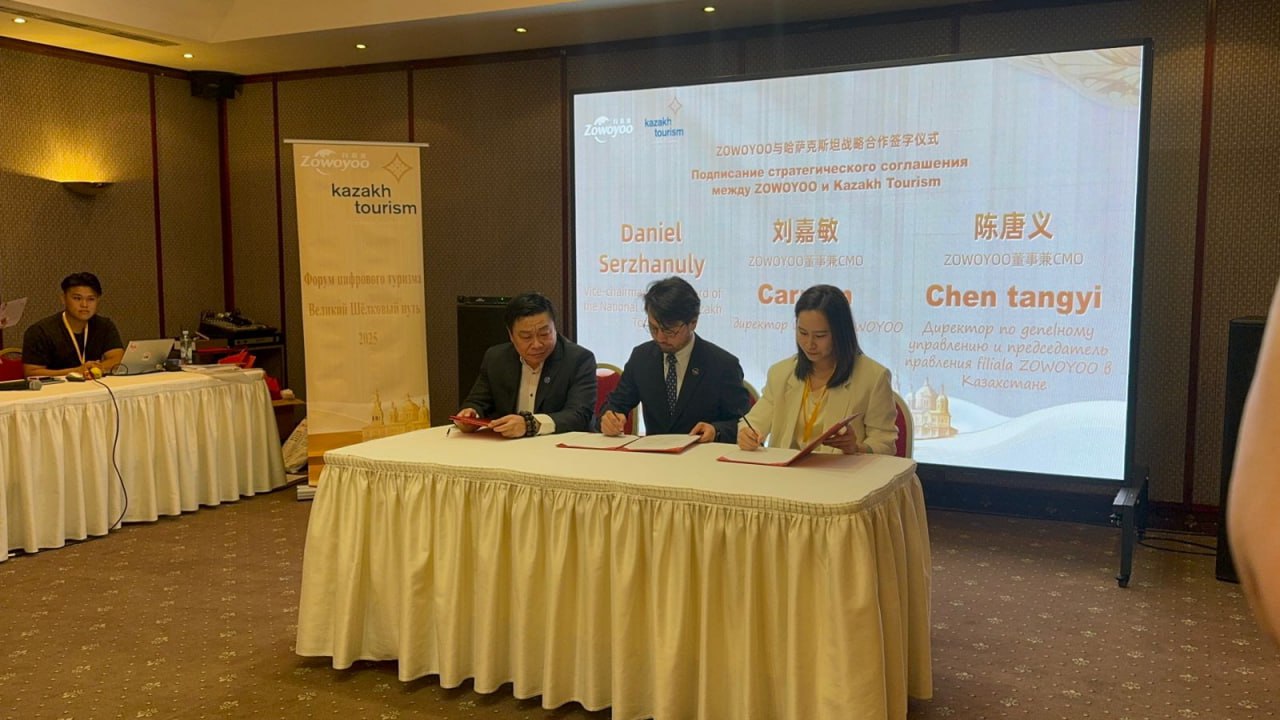
During the forum, representatives of Kazakh Tourism and Zowoyoo signed a memorandum of cooperation. The document is intended to strengthen ties in the digital promotion of Kazakhstan's tourism potential in the Chinese market and to actively attract tourists from China.
The parties plan to develop a digital ecosystem tailored for Chinese travelers. The partnership also envisions expanding Kazakhstan’s presence on popular Chinese platforms such as Douyin (the Chinese equivalent of TikTok), Xiaohongshu (Little Red Book), and others.
«Zowoyoo has a deep understanding of the digital behavior of Chinese users. This will allow us to build a more targeted communication strategy on key platforms where the travel preferences of the new generation are shaped. We will be able to offer a personalized travel experience and significantly simplify the planning process for Chinese tourists. I would also like to emphasize that the implementation of the planned joint initiatives with the Chinese partner will not require any budget funding», - noted vice chairman of the management Board of JSC «NC «Kazakh Tourism» Daniel Serzhanuly.
Tourism opportunities in Kazakhstan were presented to the Chinese delegation, and prospects for expanding cooperation in the tourism sector were discussed. Key topics of the panel discussions included the digital transformation of the tourism ecosystem and marketing promotion through modern media.
The forum served as an important platform for dialogue, tourism development, and cultural exchange between the two countries.